
Artificial Intelligence (AI) is transforming industries around the world — and Pakistan’s legal sector is no exception. From improving access to justice and streamlining legal processes to modernizing court systems, AI has the potential to significantly reshape how law is practiced in Pakistan.
What Is AI in the Legal Context?
In the legal world, AI refers to computer systems that can analyze legal documents, predict case outcomes, automate repetitive tasks, and provide research assistance — often much faster and more accurately than traditional methods. Tools like natural language processing (NLP) enable machines to read and interpret legal texts, statutes, case law, and contracts.
How AI Is Being Used in Pakistan’s Legal Sector
1. Legal Research and Document Review
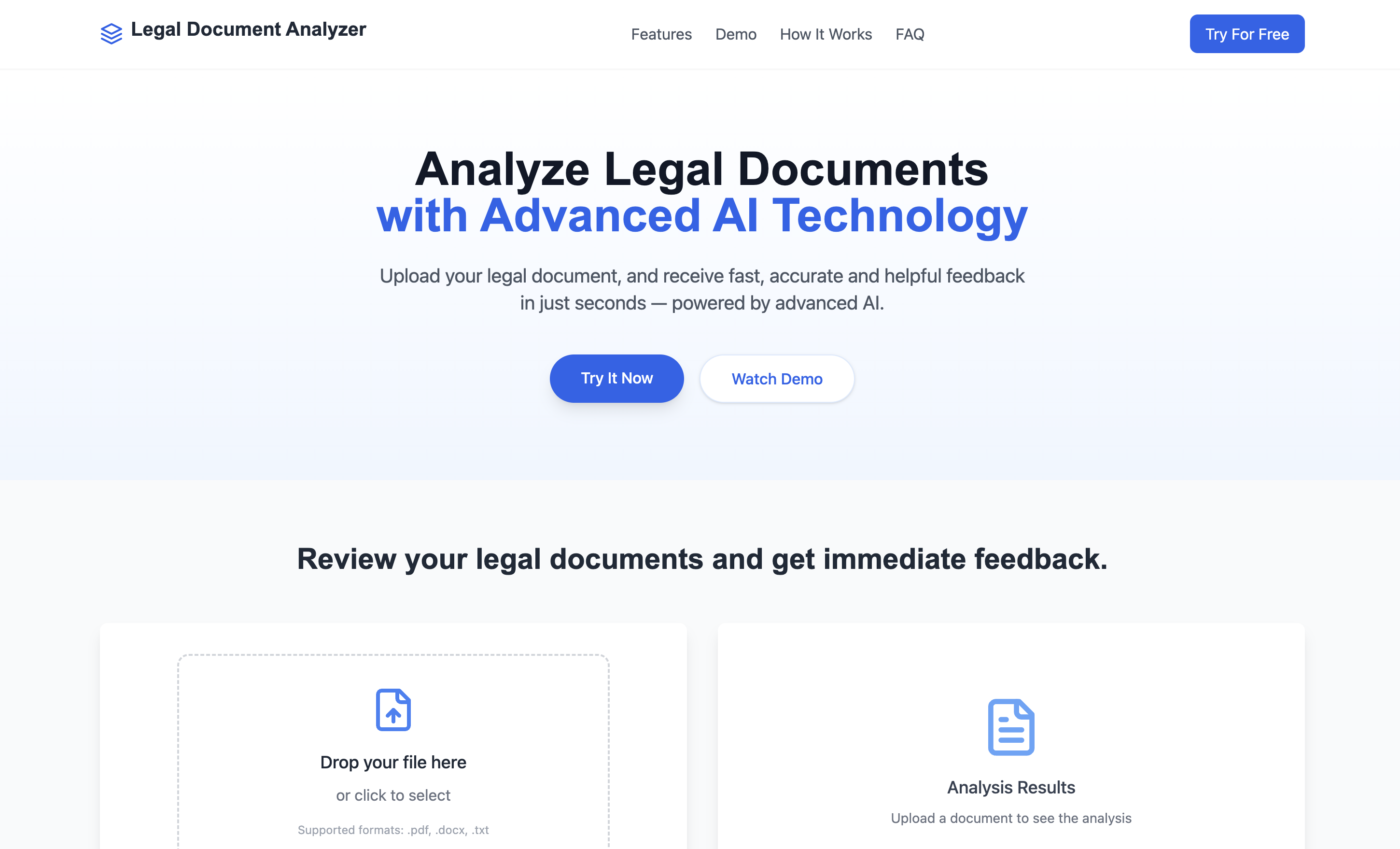
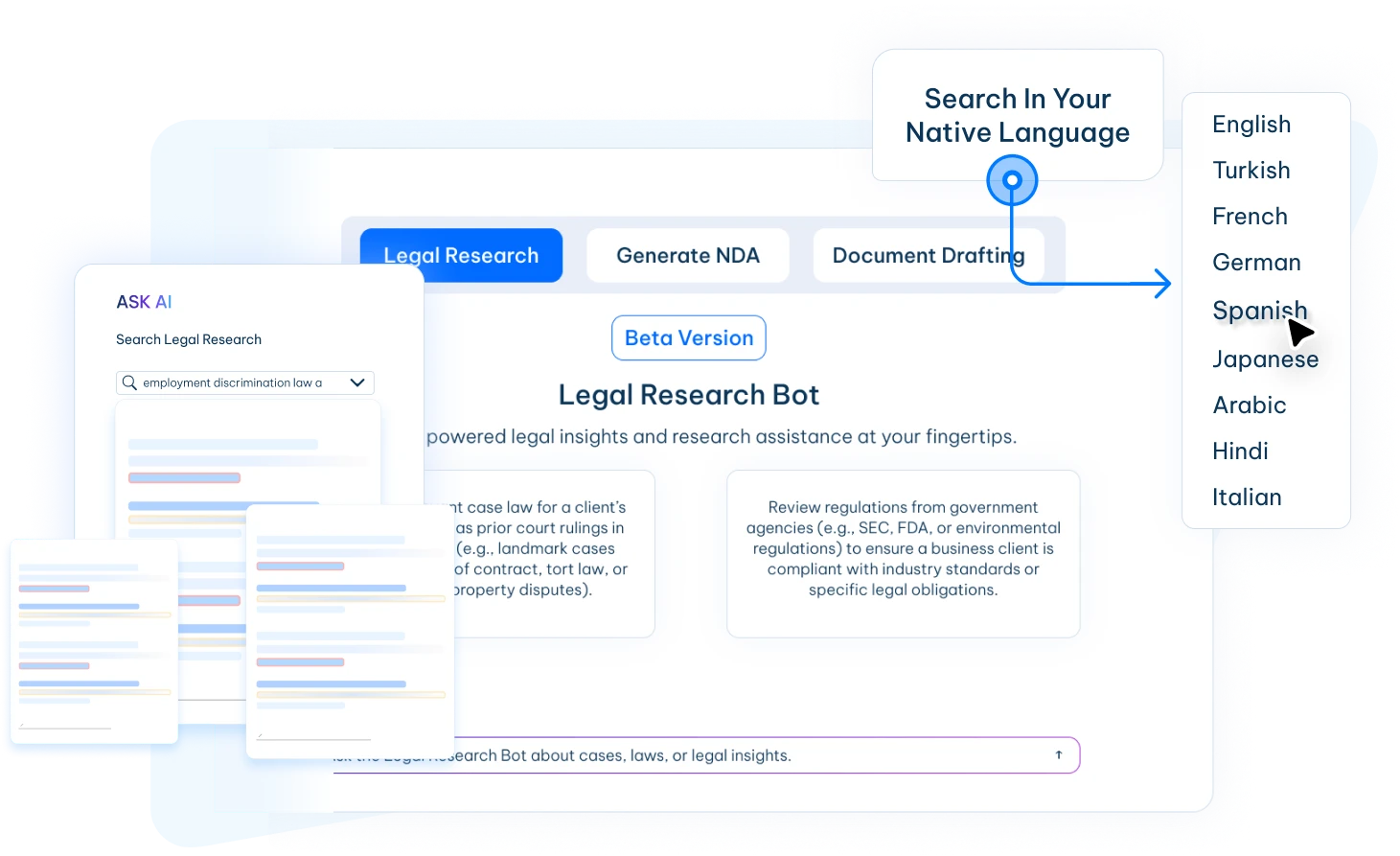
Traditionally, lawyers spend hours sifting through case law and statutes. AI can:
- Search vast legal databases quickly
- Identify relevant precedents
- Highlight key clauses in contracts
This reduces time spent on research and improves accuracy.
Predictive Analytics
AI can analyze past judgments to predict likely outcomes of cases. While not a substitute for legal expertise, these tools help lawyers:
- Estimate case risks
- Formulate stronger legal strategies
For the Pakistani legal community, predictive models are emerging — though still early — offering insights into verdict patterns based on historical data.
Automation of Routine Tasks
Law firms and courts can automate mundane administrative work such as:
- Drafting standard contracts
- Managing case files
- Scheduling hearings
This frees up lawyers and clerks to focus on high‑value tasks like strategy and client counseling.
Access to Justice
AI chatbots and legal assistants can provide the public with basic legal information, helping people who cannot afford lawyers to understand their rights and options.
For example, platforms could guide individuals through:
- Filing complaints
- Understanding legal terminology
- Finding applicable laws
Challenges Facing AI Adoption in Pakistan
Despite the promise, AI integration into Pakistan’s legal system faces several hurdles:
📍 1. Data Availability
AI thrives on large, structured datasets. In Pakistan, many legal records are:
- Unstructured
- Incomplete
- Not digitized
This limits how effectively AI tools can learn and make accurate predictions.
Privacy & Ethical Concerns
AI systems often require sensitive legal data. Protecting client confidentiality and ensuring ethical use of AI is critical. Without clear guidelines, AI tools could inadvertently expose personal information.
Skill Gaps
Many lawyers in Pakistan have limited exposure to AI technology. Training and education are essential for:
- Understanding AI capabilities and limitations
- Ensuring responsible use
- Avoiding blind reliance on technology
Legal Framework & Regulation
Currently, Pakistan does not have a comprehensive AI regulation specific to the legal sector. However, ongoing discussions among policymakers, legal scholars, and technologists emphasize:
- Data protection laws
- Transparency in AI systems
- Fair use in judicial processes
A balanced legal framework can encourage adoption while safeguarding citizens’ rights.
The Future of AI and Law in Pakistan
AI will not replace lawyers or judges — at least not in the foreseeable future — but it will augment their capabilities. Some anticipated developments include:
- AI‑assisted e‑courts
- Smart contract validation
- Automated legal aid platforms
These innovations can make the legal system faster, more accessible, and more transparent.
Conclusion
AI offers transformative potential for Pakistan’s legal landscape, from research and efficiency to access to justice. However, realizing this potential requires balanced regulation, strong data infrastructure, and education. As the technology evolves, Pakistan has an opportunity to lead in ethical and effective deployment of AI in law — ensuring justice not just faster, but fairer.