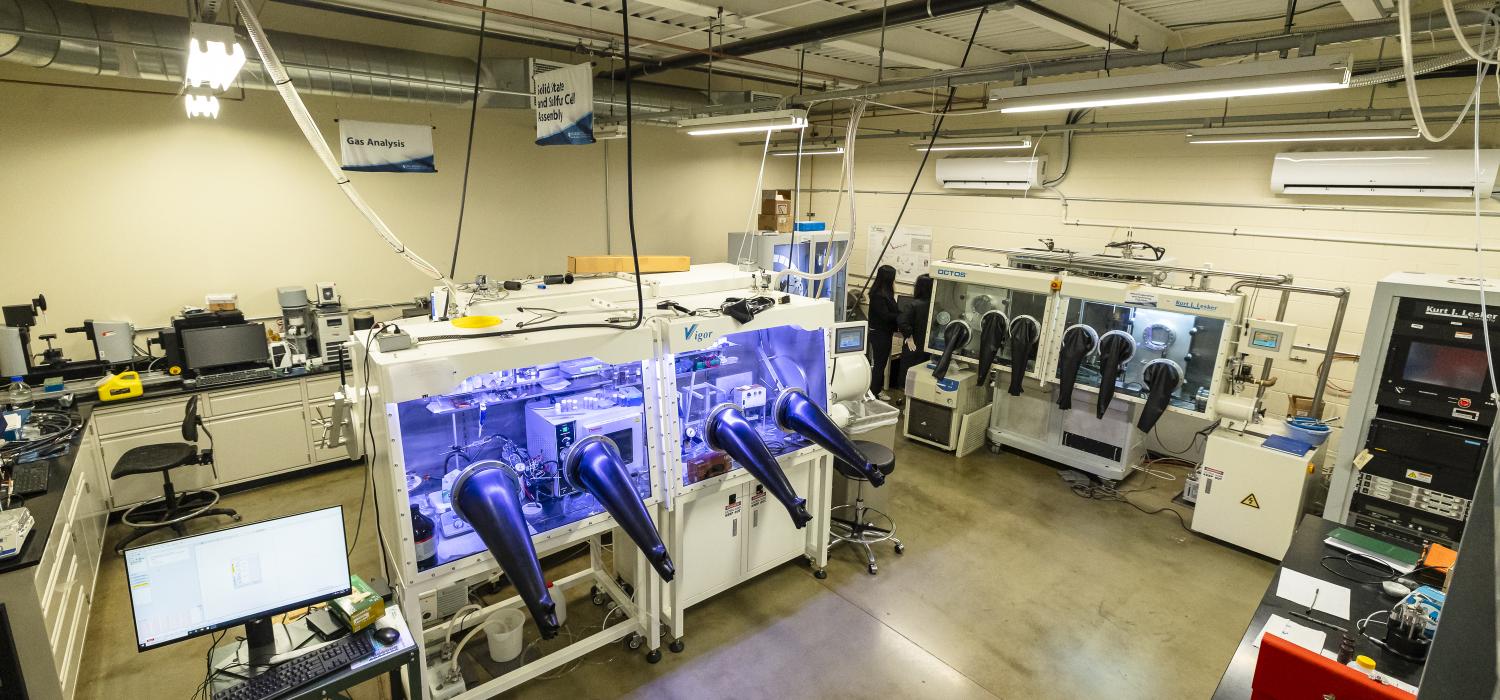
Battery technology is evolving rapidly as researchers and companies race to improve energy storage for electric vehicles (EVs), renewable energy systems, and consumer electronics. From solid-state batteries to sodium-ion alternatives, recent breakthroughs could dramatically increase battery capacity, safety, and charging speed. Below is a comprehensive overview of the most important battery technology developments reported recently.
1. Solid-State Batteries: The Next Big Leap


4
Solid-state batteries are widely considered the future of energy storage. Unlike traditional lithium-ion batteries, they replace liquid electrolytes with solid materials, making them safer and more efficient.
Recent developments show the technology is getting closer to commercial use:
- A Chinese manufacturer recently introduced a 60Ah solid-state battery capable of supporting EV ranges close to 1,000 km (620 miles).
- Energy density in these experimental batteries has reached over 500 Wh/kg, significantly higher than current lithium-ion batteries.
- Some research groups have demonstrated experimental lithium batteries reaching around 700 Wh/kg, which could potentially double the range of electric vehicles.
Solid-state batteries also offer additional advantages:
- Improved safety (lower fire risk)
- Faster charging speeds
- Longer cycle life
Many automakers plan to begin limited production around 2026–2027 as manufacturing challenges are solved.
2. Semi-Solid Batteries: Bridging the Gap


4
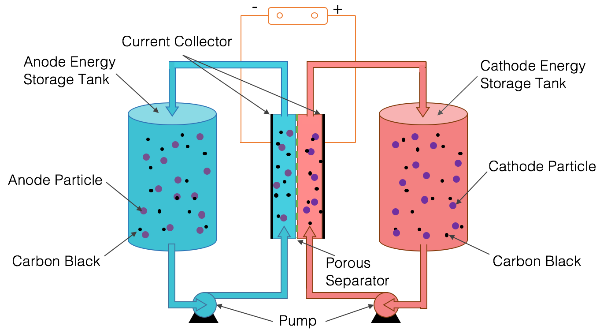
While fully solid-state batteries are still under development, semi-solid batteries are emerging as a practical intermediate step.
Researchers recently demonstrated a semi-solid EV battery capable of delivering 30% higher energy density than conventional lithium-ion batteries.
Key characteristics of semi-solid batteries:
- Combination of solid and liquid electrolytes
- Improved energy density
- Lower manufacturing costs than fully solid-state batteries
- Better safety compared to standard lithium-ion cells
Some prototypes already power electric vehicles with over 620 miles (1,000 km) range, although independent validation is still ongoing.
3. Sodium-Ion Batteries: A Cheaper Alternative


Sodium-ion batteries are gaining attention as a low-cost alternative to lithium-ion technology.
Unlike lithium batteries, sodium-ion cells use sodium — an abundant and widely available element, which can significantly reduce production costs.
Advantages of sodium-ion batteries include:
- Lower material cost
- Better performance in cold temperatures
- Improved safety due to lower risk of thermal runaway
Some manufacturers have already begun mass production of sodium-ion EV batteries, marking an important milestone for commercialization.
However, these batteries currently have lower energy density, making them more suitable for grid energy storage and low-cost electric vehicles rather than long-range EVs.
4. New Materials: Graphene, Sulfur, and Lithium-Metal
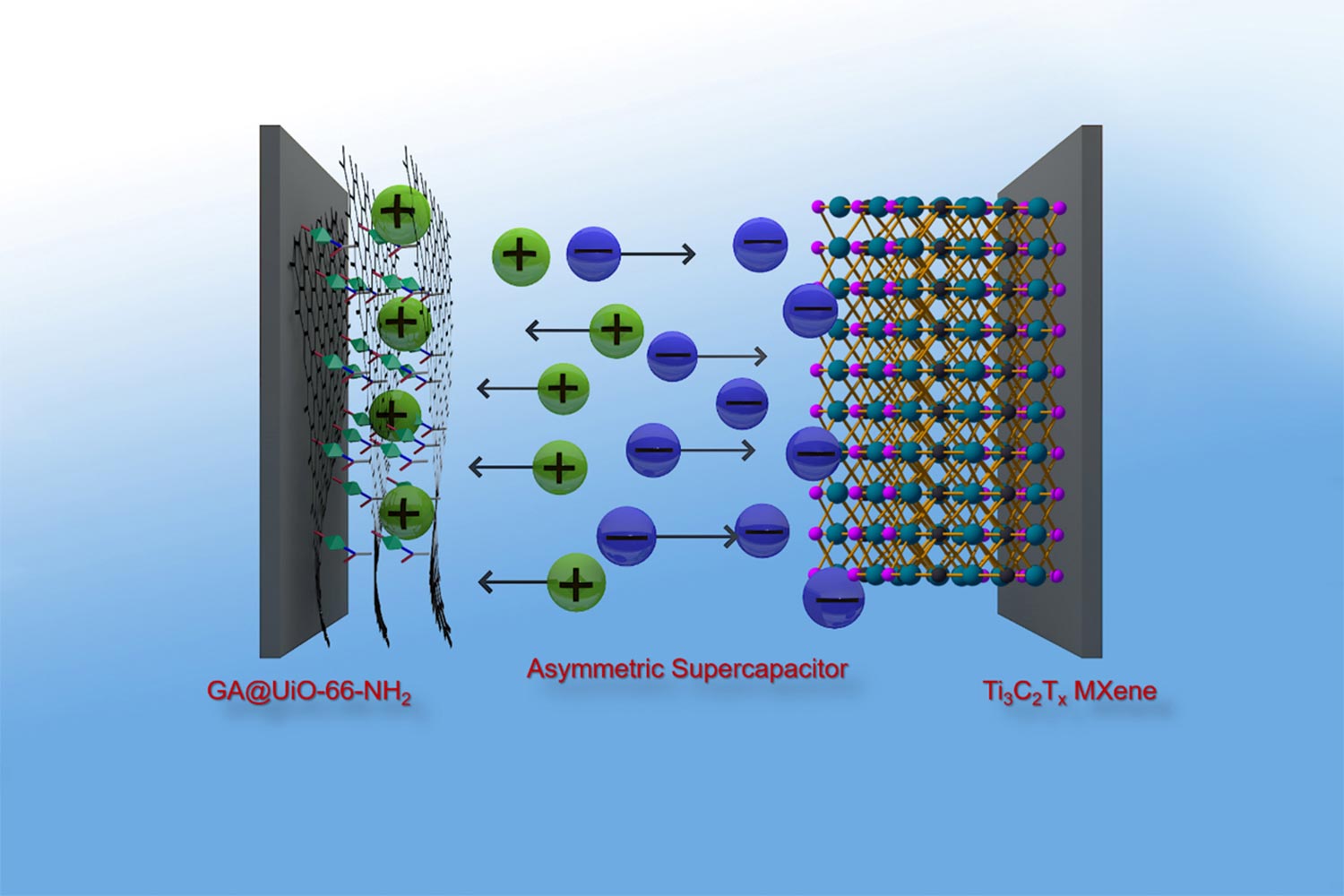
Scientists are also experimenting with new battery materials to increase capacity and charging speed.
Some promising innovations include:
Graphene Energy Storage
Engineers have developed graphene-based structures that could produce supercapacitors capable of storing energy comparable to batteries while charging much faster.
Lithium-Sulfur Batteries
Lithium-sulfur technology could dramatically increase energy density and reduce reliance on expensive metals.
Self-Healing Batteries
Researchers are investigating materials that automatically repair internal damage, potentially extending battery life and improving safety.
These experimental technologies are still in development but could redefine battery design in the coming decades.
5. The Future of Battery Technology
Experts expect the next decade to bring a diverse ecosystem of battery chemistries rather than a single dominant technology.
Key trends likely to shape the future include:
- Solid-state batteries for long-range EVs
- Sodium-ion batteries for affordable energy storage
- Advanced materials like graphene and lithium-metal
- Self-healing and recyclable battery designs
With global demand for electric vehicles and renewable energy increasing rapidly, the battery industry is projected to grow massively, potentially reaching hundreds of billions of dollars in value over the coming years.
Conclusion
Battery technology is entering a transformative period. Breakthroughs in solid-state batteries, sodium-ion chemistry, and advanced materials promise safer, cheaper, and more powerful energy storage systems. As these technologies move from research labs to commercial products, they could dramatically reshape transportation, electronics, and global energy infrastructure.