Surfing is one of the most exciting and adventurous water sports in the world. It allows you to connect with nature while enjoying the thrill of riding waves. Many people dream of surfing, but they think it is too difficult. In reality, with the right guidance and practice, anyone can learn it.
🌊 What Is Surfing?
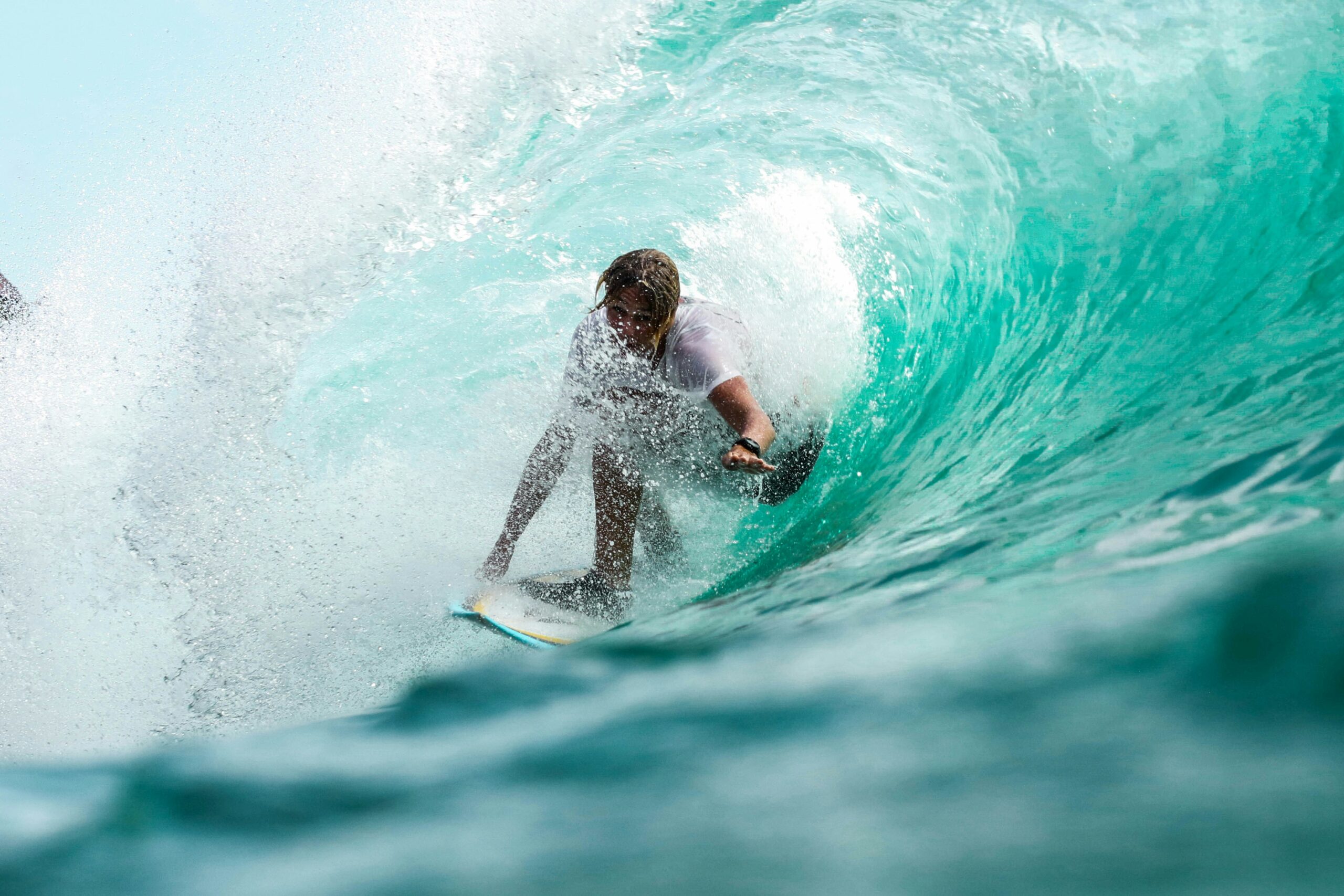
Surfing is the sport of riding waves using a surfboard. A surfer paddles into the ocean, catches a wave, stands on the board, and rides it toward the shore. It requires balance, timing, and confidence.
🌍 History of Surfing
Surfing started in ancient Hawaii, where it was part of the culture and tradition. Kings and skilled people used to surf as a symbol of status. Today, surfing has become popular all around the world and is even included in international competitions.

🧠 Understanding the Ocean
Before surfing, it is important to understand the ocean. Waves are created by wind, and they travel long distances before reaching the shore. Learning about waves, tides, and currents helps you surf safely.

🏄♀️ Surfing Equipment
To start surfing, you need some basic equipment. A surfboard is the most important item. Beginners should use a long and wide board for better balance. A leash keeps the board attached to your ankle, and wax helps prevent slipping.
📍 Choosing the Right Location
Choosing the right place is very important for beginners. You should look for a beach with small waves, soft sand, and fewer people. Avoid dangerous areas with rocks or strong currents.

🚶 Step-by-Step Guide to Surfing
Learning surfing step by step makes it easier and safer. First, practice on land before going into the water. This helps you understand how to stand on the board.
1. Practice on Land
Lie on the ground and practice the “pop-up” movement. Push your body up and quickly bring your feet under you. This step is very important for beginners.
2. Enter the Water
Walk slowly into the water while holding your surfboard. Always face the waves and stay calm.
3. Start with Small Waves
Beginners should start with small waves called whitewater. These waves are easier to ride and help build confidence.
4. Paddling
Lie on the board and use your arms to paddle. Keep your body balanced and look forward.
5. Catching the Wave
When a wave comes, start paddling faster. Try to match the speed of the wave so it can carry you forward.
6. Standing Up
Quickly stand up using the pop-up technique. Keep your knees bent and arms open for balance.
7. Riding the Wave
Once you are standing, keep your balance and enjoy the ride. Look forward and stay relaxed.
⚠️ Safety Tips
Safety is very important in surfing. Always surf with a friend, use a leash, and stay aware of the ocean conditions. Never take risks in big waves.
🤝 Surfing Etiquette
Respect other surfers in the water. Do not take someone else’s wave and always wait for your turn. Good behavior makes surfing enjoyable for everyone.
🏁 Conclusion
Surfing is a fun and healthy activity that anyone can learn with practice. It may take time, but the experience of riding your first wave is unforgettable. Stay patient, stay safe, and enjoy every moment.