
The word “idea” is one of the most commonly used terms in English. It broadly refers to a thought, mental image, concept, or plan. However, English is rich in vocabulary, and there are many words you can use instead of “idea” to convey subtle differences in meaning, tone, or context. Using varied words not only improves your writing but also makes your speech more precise and expressive.

1. Concept
A concept is a structured or formalized idea. It often represents a broader framework or principle rather than a fleeting thought.
- Example: The startup introduced a new concept in sustainable fashion that quickly gained attention.
- Nuance: More abstract and formal than a simple idea.
2. Notion
A notion is a casual or sometimes tentative idea, often personal or subjective. It can refer to a fleeting impression rather than a fully developed plan.
- Example: I have a notion that this approach will solve our problem.
- Nuance: Slightly whimsical or speculative.
3. Thought
A thought emphasizes the mental act of considering something. It is versatile and can describe both casual reflections and serious contemplation.
- Example: After careful thought, she decided to accept the job offer.
- Nuance: Neutral; focuses on the process of thinking.
4. Perception
A perception is an idea shaped by observation or personal interpretation. It is often used in contexts where perspective matters.
- Example: His perception of the situation differed from that of the team.
- Nuance: Reflects individual viewpoint or interpretation.
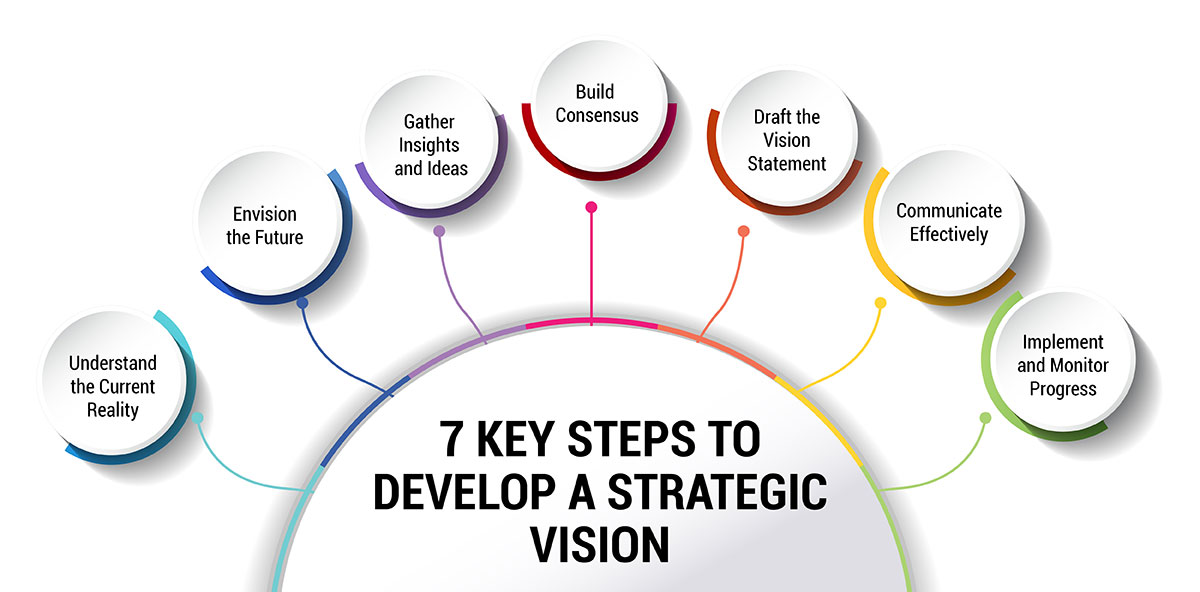
5. Vision
A vision is an aspirational or forward-looking idea, often associated with goals, innovation, or leadership.
- Example: The CEO’s vision for the company inspired the entire workforce.
- Nuance: Grand, future-oriented, and motivational.


6. Plan
A plan represents an idea that is actionable and organized. It implies steps and strategies to achieve a goal.
- Example: They created a detailed plan to expand into international markets.
- Nuance: Practical and goal-oriented.
7. Insight
An insight is a deep understanding or realization. It usually comes after analysis or observation and reveals something not immediately obvious.
- Example: The scientist’s insights revolutionized our understanding of renewable energy.
- Nuance: Suggests clarity, depth, and originality.
8. Innovation
An innovation is a creative or novel idea, often applied in technology, science, or business. It implies originality and practical application.
- Example: The company’s latest innovation dramatically improved online education accessibility.
- Nuance: Modern, inventive, and solution-focused.
9. Scheme
A scheme is a clever or intricate plan. Sometimes it carries a slightly negative connotation, implying cunning or trickery.
- Example: The team devised a scheme to optimize workflow efficiency.
- Nuance: Can be strategic or slightly mischievous.
10. Brainchild
A brainchild refers to an idea originating from a person’s creativity. It is often used to emphasize ownership or inventiveness.
- Example: The new smartphone app was the brainchild of a young engineer.
- Nuance: Personal, creative, and innovative.


11. Hypothesis
In scientific or analytical contexts, a hypothesis is an idea that can be tested or proven. It emphasizes reasoning and experimentation.
- Example: The researcher proposed a hypothesis to explain the unexpected results.
- Nuance: Analytical and evidence-driven.
12. Proposal
A proposal is a formally suggested idea, often requiring approval or consideration by others.
- Example: She submitted a proposal to improve company sustainability practices.
- Nuance: Formal, structured, and professional.
Choosing the Right Word
Choosing the right synonym for “idea” depends heavily on context:
| Context | Suggested Word | Example |
|---|---|---|
| Casual thought | notion, thought | I have a notion to try a new hobby. |
| Formal concept | concept, proposal | The concept was presented at the conference. |
| Future-oriented | vision, plan | His vision led to the company’s success. |
| Creative | brainchild, innovation | This app is the brainchild of a young developer. |
| Analytical | insight, hypothesis | The study gave new insights into climate change. |
| Strategy | scheme, plan | They devised a scheme to reduce costs. |
Expanding your vocabulary beyond “idea” allows you to communicate more precisely and creatively, whether in writing, speaking, or brainstorming sessions. Using the right synonym can convey your thought process, the level of formality, and the intended impact of your message.