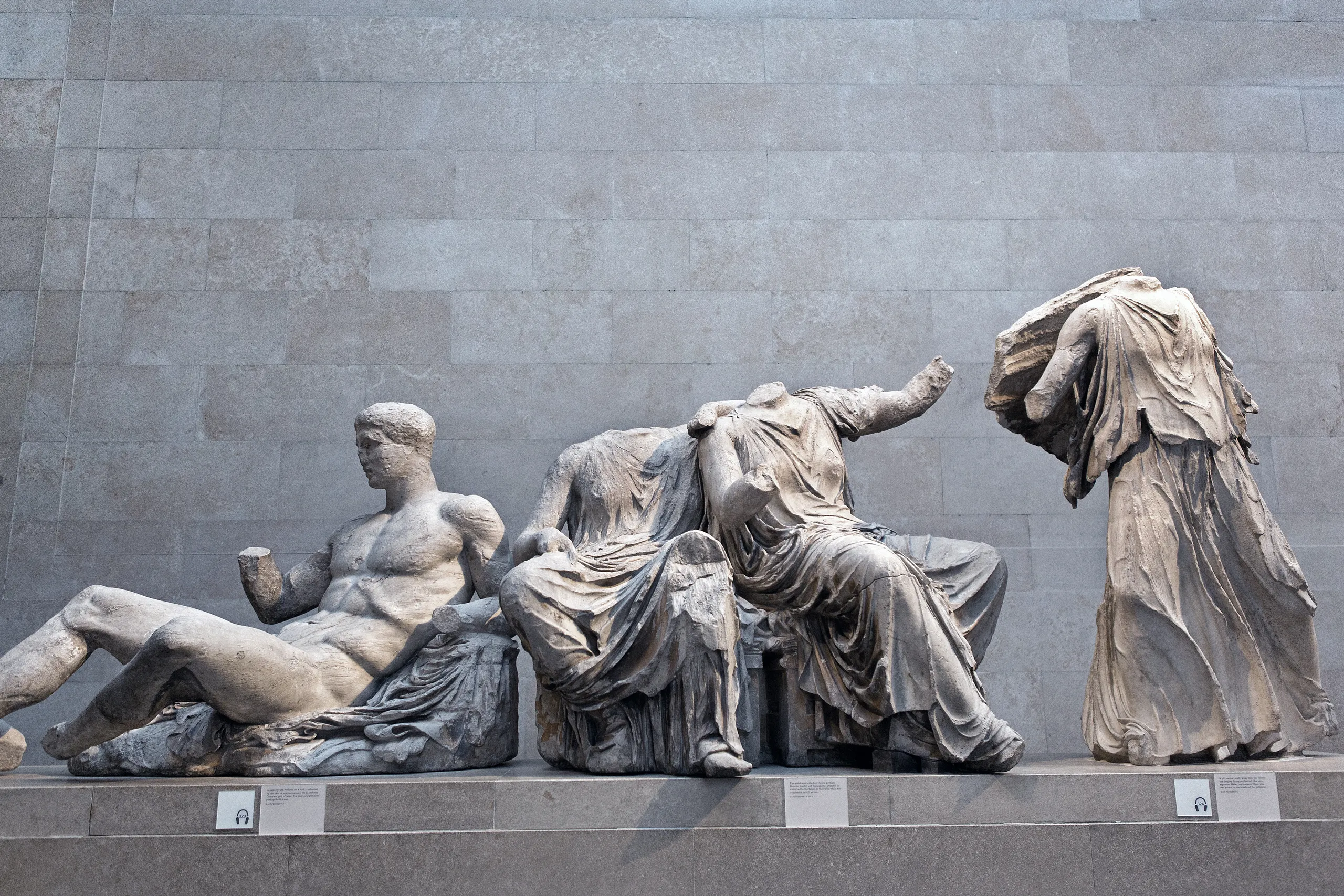
Art history is the study of visual expression across time—how humans have used images, objects, and spaces to communicate ideas, beliefs, power, and beauty. From ancient cave paintings to modern digital art, each era reflects the culture, technology, and values of its society. Below is a concise tour through some of the most influential periods in art history.
1. Prehistoric Art (c. 40,000–3,000 BCE)
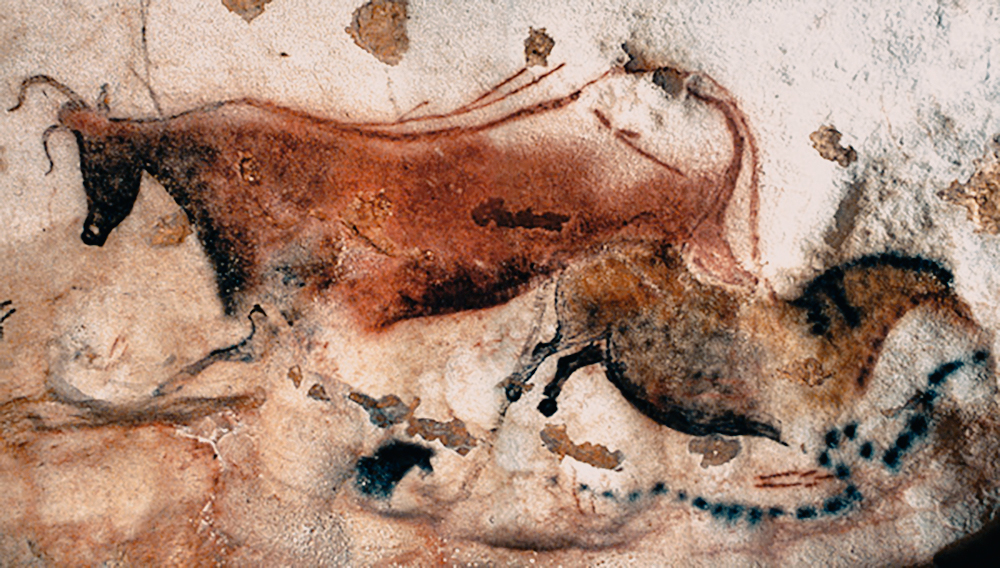
The earliest known art was created long before written history. Prehistoric people painted animals, hunting scenes, and symbols on cave walls and carved small figurines from stone or bone. These works were often connected to rituals, survival, or spiritual beliefs.
Key characteristics
- Natural pigments like charcoal and ochre
- Focus on animals and fertility symbols
- Created in caves or on small portable objects
Famous example: The Venus of Willendorf, a small figurine representing fertility.
2. Ancient Civilizations (c. 3,000 BCE – 400 CE)

As civilizations developed in Egypt, Greece, Rome, and Mesopotamia, art became closely tied to religion, politics, and architecture. Artists developed standardized styles and began representing the human body with increasing realism.
Key characteristics
- Monumental architecture and sculpture
- Religious symbolism and mythological scenes
- Development of proportion and perspective
Greek art, in particular, emphasized balance, harmony, and ideal human beauty, influencing Western art for centuries.
3. Medieval Art (c. 400–1400)
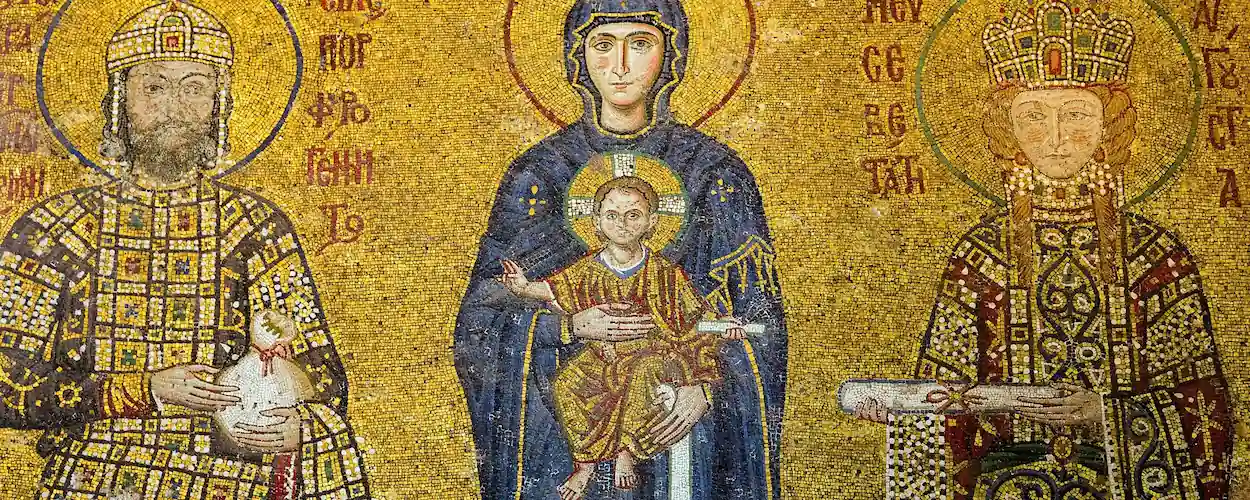
After the fall of the Roman Empire, art in Europe became largely religious. Churches were the main patrons, and artworks were meant to inspire devotion rather than realism.
Key characteristics
- Gold backgrounds and stylized figures
- Religious themes (biblical scenes, saints)
- Illuminated manuscripts and church decoration
Byzantine mosaics and Gothic cathedrals are among the most iconic artistic achievements of the medieval world.
4. The Renaissance (c. 1400–1600)

4The Renaissance, meaning “rebirth,” began in Italy and marked a revival of classical Greek and Roman ideas. Artists studied anatomy, perspective, and light to create more realistic and expressive works.
Key characteristics
- Linear perspective and depth
- Scientific study of anatomy
- Balance between realism and ideal beauty
Famous artists include Leonardo da Vinci, Michelangelo, and Raphael.
5. Modern Art (c. 1860–1970)

Modern art broke away from traditional rules. Artists experimented with color, form, and abstraction to express emotions and new ways of seeing the world.
Key movements
- Impressionism – focus on light and quick brushstrokes
- Cubism – fragmented shapes and multiple viewpoints
- Surrealism – dreamlike imagery
This era expanded the definition of what art could be.
6. Contemporary Art (1970–Present)
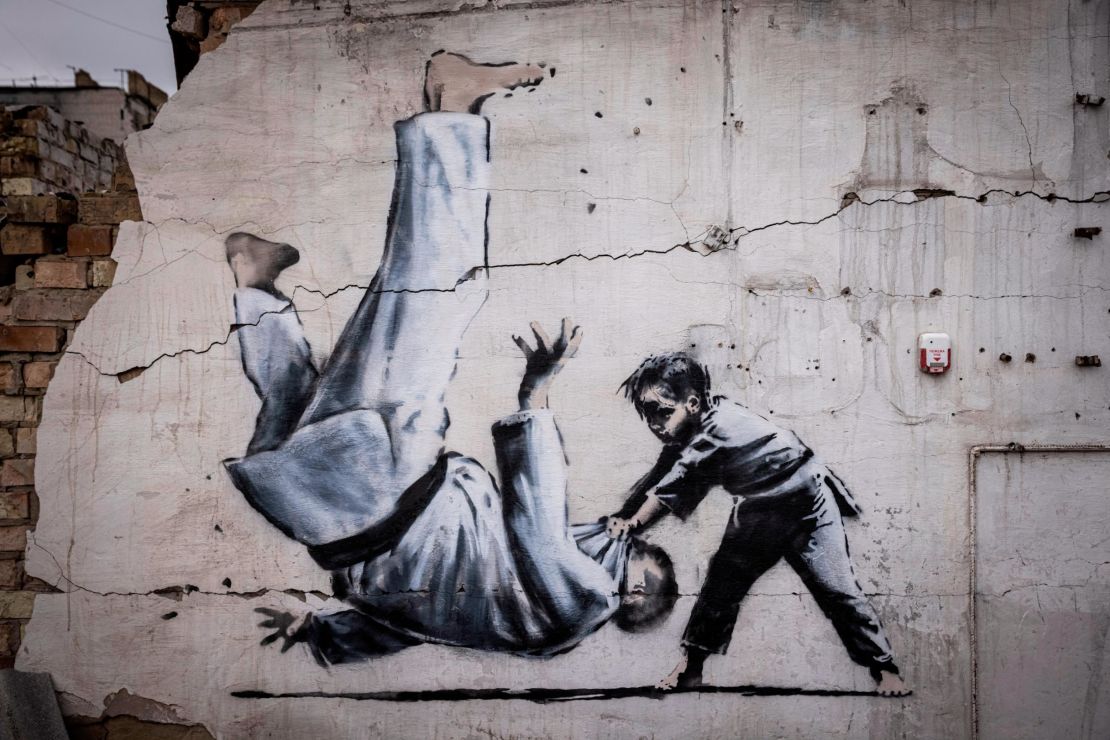
Contemporary art reflects today’s global, digital, and multicultural world. Artists use a wide variety of materials and media, including video, performance, and artificial intelligence.
Key characteristics
- Concept and message often more important than technique
- Use of new technologies and media
- Engagement with social, political, and environmental issues
Street art, digital art, and immersive installations are all part of this evolving landscape.
Conclusion
Art history reveals how human creativity evolves alongside society. Each artistic movement responds to the cultural, technological, and philosophical ideas of its time. By studying art from different eras, we gain insight not only into artistic techniques but also into the history of human thought and expression.