
Testosterone is a key hormone in the male body responsible for muscle growth, energy, libido, mood, and bone strength. While levels naturally decline with age, many lifestyle habits can help boost testosterone naturally and safely.
Below are the most effective, science-supported strategies.
1. Strength Training and High-Intensity Exercise

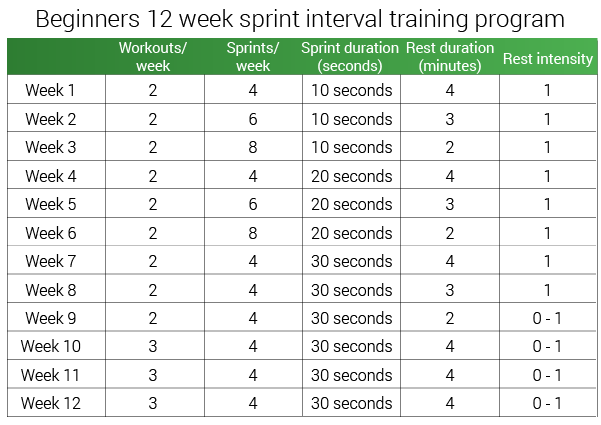
Regular exercise—especially strength training—is one of the most powerful natural testosterone boosters.
Why it works
- Resistance training stimulates hormone production.
- Heavy compound movements trigger the largest testosterone response.
- Improves muscle mass and reduces body fat.
Best exercises
- Squats
- Deadlifts
- Bench press
- Pull-ups
- HIIT sprint workouts
Tips
- Train 3–5 times per week
- Focus on compound lifts
- Avoid excessive long-duration cardio
2. Eat Testosterone-Supporting Foods

Nutrition plays a huge role in hormone production.
Important nutrients
Protein
- Chicken
- Eggs
- Fish
- Greek yogurt
Healthy fats
- Avocados
- Olive oil
- Nuts
- Fatty fish
Zinc & Magnesium
- Oysters
- Pumpkin seeds
- Spinach
- Beans
Avoid excessive processed sugar and junk food, which can lower testosterone over time.
3. Improve Sleep Quality

Most daily testosterone is produced during sleep.
Research shows men who sleep less than 5–6 hours can experience significant drops in testosterone levels.
Sleep recommendations
- Aim for 7–9 hours per night
- Keep a consistent sleep schedule
- Avoid screens before bed
- Sleep in a cool, dark room
Better sleep also improves energy, mood, and muscle recovery.
4. Reduce Stress

Chronic stress raises cortisol, a hormone that directly lowers testosterone.
Ways to reduce stress
- Meditation
- Deep breathing exercises
- Spending time outdoors
- Regular physical activity
- Limiting excessive work stress
Managing stress improves both hormonal balance and overall health.
5. Maintain a Healthy Body Weight

Higher body fat—especially abdominal fat—is linked to lower testosterone levels.
Why weight matters
- Fat tissue converts testosterone into estrogen
- Obesity can disrupt hormone balance
Healthy strategies
- Balanced diet
- Regular exercise
- Adequate sleep
- Consistent routine
Even losing 5–10% of body weight can significantly improve hormone levels.