Organized crime has produced many legendary figures, but few were as feared and influential in Canada as Johnny Papalia. Known by the nickname “The Enforcer,” Papalia dominated the criminal underworld of Hamilton, Ontario, for decades. His reputation for intimidation, strict control, and deep connections with powerful American Mafia families made him one of the most powerful mob figures in Canadian history.
This article explores Papalia’s life, rise in organized crime, his influence over labor unions and businesses, and the dramatic end to his reign.
Early Life
Johnny Papalia was born on March 18, 1924, in Hamilton to Italian immigrant parents. His father, Antonio Papalia, was already involved in organized crime and maintained connections with Mafia groups in the United States.
Growing up in a crime-connected family meant Papalia was exposed to the criminal world from a young age. By his teenage years, he was already associated with local gangs and gradually became involved in organized criminal activities.
Rise in Organized Crime
Papalia’s criminal career accelerated in the 1940s and 1950s when he began working closely with the powerful Buffalo crime family led by Stefano Magaddino.
Hamilton became a strategic hub for cross-border criminal operations between Canada and the United States. Papalia served as Magaddino’s representative in Canada, controlling numerous illegal activities.
His operations reportedly included:
- Illegal gambling networks
- Loan sharking
- Extortion of businesses
- Labor union manipulation
- Smuggling and racketeering
Papalia built a reputation as a ruthless but calculated leader who preferred intimidation over unnecessary violence.
Control Over Labor Unions and Businesses
One of Papalia’s biggest sources of power came from his influence over labor unions and construction businesses in Ontario. Through intimidation and strategic alliances, his organization allegedly controlled parts of:
- Construction contracts
- Waterfront operations
- Waste management services
- Transportation industries
Companies often paid protection money to avoid trouble. His ability to influence unions allowed him to control large projects and secure profits without directly appearing in illegal operations.
Criminal Investigations and Imprisonment
Law enforcement agencies in both Canada and the United States kept Papalia under surveillance for decades. In the late 1970s, he was convicted for extortion related to labor racketeering.
He served several years in prison, but even during incarceration his influence in organized crime remained significant. Many associates continued operating under his authority.
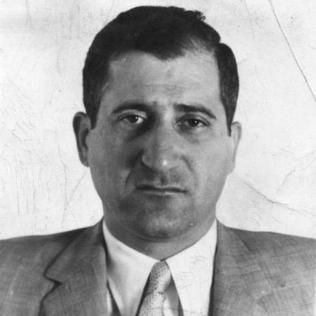
After decades of dominance, Papalia’s reign ended violently.
On May 31, 1997, Johnny Papalia was shot and killed outside his barbershop in Hamilton. The killing shocked the city and marked one of the most significant Mafia assassinations in Canadian history.
The murder was carried out by Kenneth Murdock, reportedly on orders from Pat Musitano, who sought to challenge Papalia’s power in Hamilton’s underworld.
Murdock later confessed to the killing and was convicted, bringing an end to the mystery surrounding the assassination.
Legacy
Johnny Papalia remains one of the most infamous figures in Canadian organized crime history. His career demonstrated how organized crime could infiltrate legitimate industries and labor unions while maintaining cross-border connections with American Mafia families.
Even decades after his death, Papalia’s story continues to appear in books, documentaries, and crime investigations focusing on the Mafia’s influence in Canada.
Conclusion
The life of Johnny Papalia reflects the classic rise and fall of a Mafia boss. From a young man growing up in a crime-connected family to becoming one of the most feared gangsters in Canada, Papalia built a powerful criminal empire. However, like many organized crime leaders, his reign ended violently.
His story remains a reminder of the long shadow organized crime cast over parts of North America during the 20th century.
1 thought on “Johnny “The Enforcer” Papalia — Canada’s Notorious Mafia Boss”